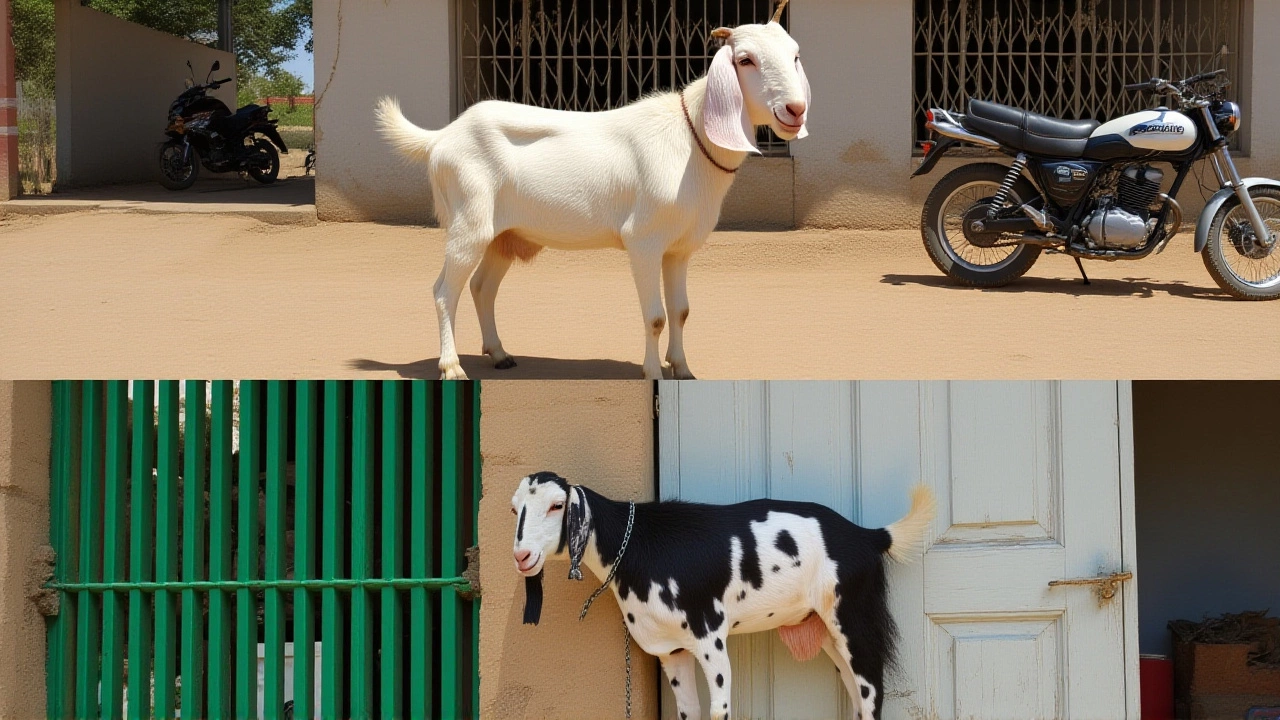
For millions of Muslims across India, May 28, 2026 marks a sacred day. But this year, the journey to find the right animal for sacrifice is getting a massive tech upgrade. The Goat Trust, backed by financial support from SBI Foundation, is launching India’s first organized "phygital" goat market. It’s a bold move aimed at bringing transparency to a traditionally chaotic sector.
The initiative covers four key states: Bihar, Uttar Pradesh, Jharkhand, and Assam. Instead of navigating crowded, unregulated mandis (markets), buyers can now book goats online or visit ten designated physical centers equipped with digital scales and veterinary services. The market runs from May 20 to May 28, 2026.
A New Era for Rural Trade
Here’s the thing about traditional livestock markets: they’re often opaque. Buyers and sellers have long battled over weight discrepancies and middlemen commissions. This new model flips the script. Under the "Trust on Weight" standard, every transaction is based on precise digital weighing, priced per kilogram. No more guessing games.
The project isn’t just about convenience; it’s about economic empowerment for rural farmers. By cutting out exploitative intermediaries, The Goat Trust aims to ensure herders get fair prices while buyers receive healthy, verified animals. It’s a public-private partnership that aligns with government visions for rural digitization.
How the Phygital Model Works
The term "phygital"—a blend of physical and digital—is central here. You don’t have to choose between browsing online or inspecting in person. Here’s how it breaks down:
- Online Booking: Buyers can browse available stock, check health records, and reserve animals from home.
- Physical Hubs: Ten major centers serve as inspection points. Key locations include Damgara in Purnia (Bihar), Khorpanana in Jharkhand, Shubhlakshya in Lucknow, and Swavalambi in Barabanki (Uttar Pradesh).
- Veterinary Care: Each center offers tele-vet services via video call, ensuring animals are fit for sacrifice according to religious standards.
- Transparency: Feed and medicine availability is guaranteed at these hubs, reducing stress for both animals and owners.
It’s surprisingly efficient. If you’re skeptical about an animal’s health, you can consult a vet instantly. That level of assurance was virtually non-existent in traditional mandis.
Market Trends and Price Surges
While the system modernizes, demand remains sky-high. Reports from Live Hindustan indicate surging interest in areas like Gadhpura block in Begusarai district, Bihar. Local shoppers aren’t just buying goats; they’re stocking up on clothes, shoes, and groceries ahead of the festival.
But wait—prices are rising sharply. A report by Patrika highlights that premium goat prices in some national markets have skyrocketed due to low supply and extreme heat. We’re talking figures ranging from ₹51 lakh to ₹4 crore for elite breeds. While those numbers seem astronomical and likely refer to bulk commercial lots or specific high-value breeding stock rather than individual sacrificial animals, the trend is clear: inflation is hitting hard.
Ground reports from YouTube creators visiting Vindhyaganj and Kiratpur markets show heavy-sized goats selling quickly. In one instance, a seller reported moving his entire stock in a single day at the Jharkhand-Bihar border market. The urgency is palpable.
Community Preparations and Security
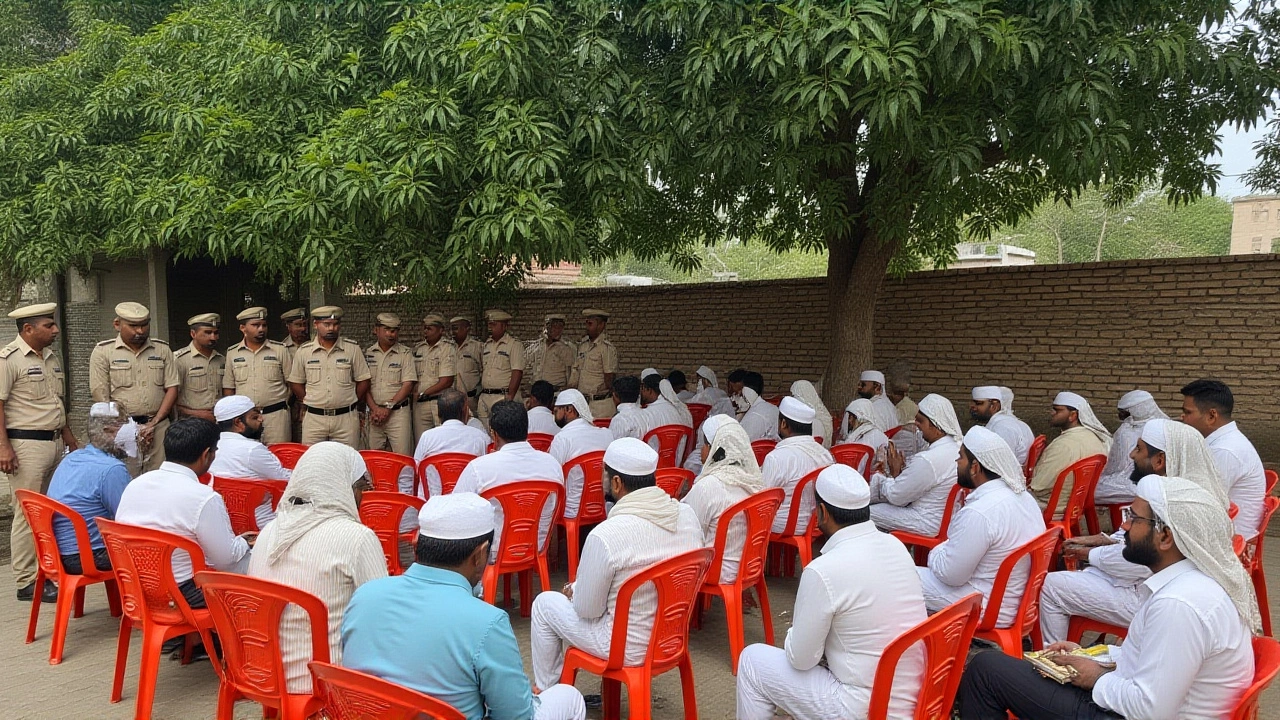
The festive spirit is already in full swing. Communities are preparing not just spiritually but logistically. Authorities are focusing on security around prayer grounds, acknowledging the large crowds expected during Eid-ul-Azha celebrations.
This holistic approach—combining trade reform with community safety—shows a deeper understanding of the event’s impact. It’s not just a market transaction; it’s a cultural moment. The integration of digital tools into such a deeply traditional practice might feel odd to some initially, but the benefits for fairness and hygiene are undeniable.
What’s Next?
If successful, this pilot could reshape livestock trading across India. The focus now shifts to execution. Can ten centers handle the volume? Will rural internet connectivity hold up? These are valid questions. However, the collaboration between The Goat Trust and SBI Foundation suggests serious infrastructure backing.
For consumers, the advice is simple: act early. Whether you’re booking online or planning a trip to Lucknow or Purnia, the window is tight. And remember, with higher prices comes higher scrutiny—ensure your purchase meets all health and weight criteria.
Frequently Asked Questions
When does the digital goat market open?
The organized phygital goat market operates from May 20, 2026, to May 28, 2026. This nine-day window allows buyers ample time to inspect and purchase animals before the Eid-ul-Azha celebration on May 28.
Which states are included in this initiative?
The program currently covers four states: Bihar, Uttar Pradesh, Jharkhand, and Assam. Major hubs include Purnia, Lucknow, Barabanki, and Khorpanana.
How is pricing determined in this new system?
Pricing is strictly per kilogram using digital scales, eliminating guesswork and disputes over weight. This "Trust on Weight" standard ensures transparency for both buyers and sellers.
Are veterinary checks mandatory?
Yes, health verification is a core component. Centers offer tele-vet consultations via video call to ensure animals are fit for sacrifice, adhering to religious and health guidelines.
Why are goat prices so high this year?
Experts cite low supply chains disrupted by extreme heat and increased demand. Premium breeds have seen significant price hikes, with some commercial lots reaching multi-lakh rupee values.